|
|
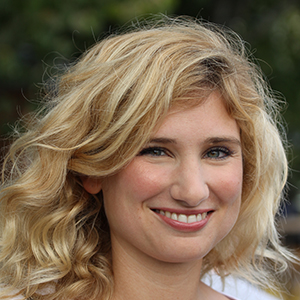
Diane Hakala tells an improbable story of a date with a fellow employee of a Wall Street firm who had some rules of conduct about office off-hours relationships. Seems the prospective suitor thought he could evade the letter, if not the spirit, of company policy by inviting Hakala to come to the airport to watch him take a flying lesson. Since training is usually done in two seat aircraft and the other seat would be taken by his instructor, the would be boyfriend assumed Hakala would content herself on the ground while he practiced holding altitude in the turns. He vastly underestimated the young lady.
Hakala, upon finding out the specifics of the not-a-date, promptly signed up for her first flying lesson. She laughs now at the irony of the result. "I kept the flying lessons," she says, "and dropped the boyfriend." Like other women pilots, she first encountered resistance to her suggestion she be taught aerobatics, so she sought out an instructor at another airfield who was willing to give her the training she needed. It wasn't long before she was preparing for her first contest, and she has not looked back since.
Hakala brought a youthful exuberance to the team, although she is more the pure aerobatic competitor and does not engage in airshow flying. It's a testimony to the stress of her profession that she considers a once a day training regime a "way to relax. When you are flying a sequence your mind is forced to discard all but what is going on in the cockpit." Most folks would consider the plus and minus 10 G accelerations and dizzying revolution of the horizon that are part of a competition sequence anything but relaxing.
|